Kidney Disease: Causes Beyond Salt
While excessive salt intake is a well-known risk factor, kidney disease can arise from various lifestyle habits and underlying conditions. Let’s explore the true culprits behind kidney damage.
Understanding Kidney Disease
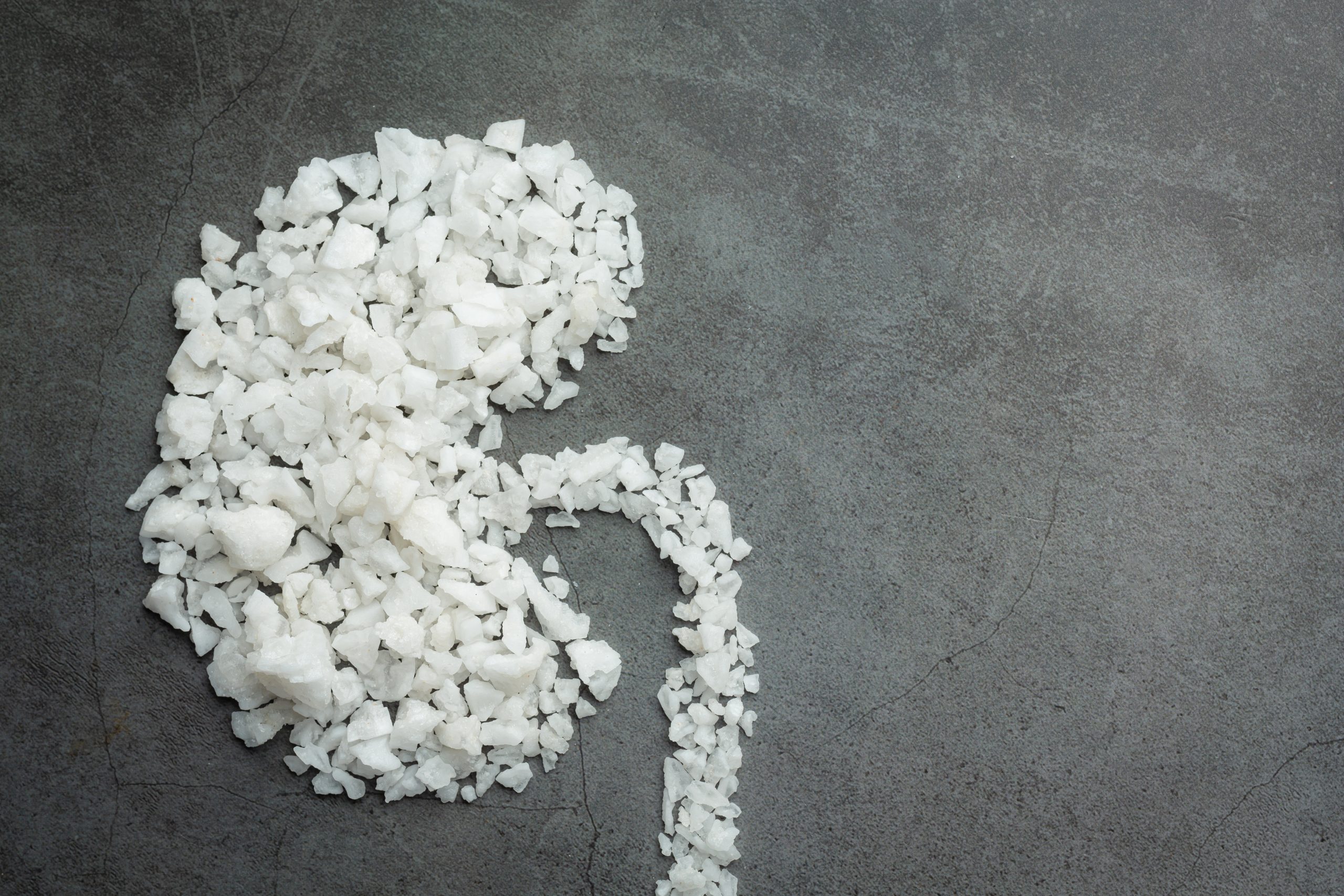
Kidneys filter waste, balance blood pH, regulate minerals, and manage fluid levels. When impaired, they cause anemia, vitamin deficiencies, and toxin buildup. Common kidney conditions include:
Pyelonephritis (kidney infection).
Glomerulonephritis (kidney inflammation).
Kidney stones.
Chronic kidney disease (CKD).
Kidney failure.
Surprising Causes of Kidney Disease
Extreme Flavors:
High sugar intake spikes blood glucose, straining the kidneys.
Improper Hydration:
Too little water concentrates urine, harming kidneys and bladder.
Excessive water overwhelms kidney function.
Sedentary Lifestyle:
Inactivity leads to obesity, hypertension, and diabetes—major kidney stressors.
Chronic Overwork:
Lack of rest deprives kidneys of recovery time, accelerating wear.
Processed Foods:
Instant noodles, canned foods, and sodas contain hidden sodium and preservatives.
NSAID Abuse:
Painkillers like ibuprofen reduce kidney blood flow, impairing function.
Underlying Conditions:
70% of cases stem from diabetes, hypertension, obesity, or lupus (SLE).
Symptoms: When to See a Nephrologist
Swollen legs.
Abnormal urine: Cloudy, bloody, or reduced output.
Flank pain radiating to the back/groin.
High blood pressure.
Fatigue, anemia.
Prevention Tips
Annual screenings (especially for those over 60 or with diabetes/hypertension).
Balanced diet: Avoid excess sugar, salt, and processed foods.
Exercise: 30–40 minutes, 3–4 times weekly.
Hydrate wisely: 2–3 liters of water daily.
Avoid smoking, alcohol, and holding urine (increases infection risk).
Skip unregulated supplements/herbal remedies.
FAQs
1. Is kidney disease the same as kidney failure?
No. Kidney disease includes CKD, infections, or stones. Kidney failure is severe loss of function, requiring dialysis or transplant.
2. What is dialysis? When is it needed?
Dialysis filters blood when kidneys fail. Required for:
End-stage CKD (kidneys function <15%).
Severe symptoms: nausea, swelling, high toxin levels.
3. Can kidney patients drink coffee or alcohol?
Avoid both. Caffeine raises blood pressure; alcohol strains the liver and kidneys and may interact with medications.
Final Note
Kidneys work non-stop. Protect them by avoiding risky habits and prioritizing checkups. Early detection is critical—once damaged, kidneys rarely recover fully.